
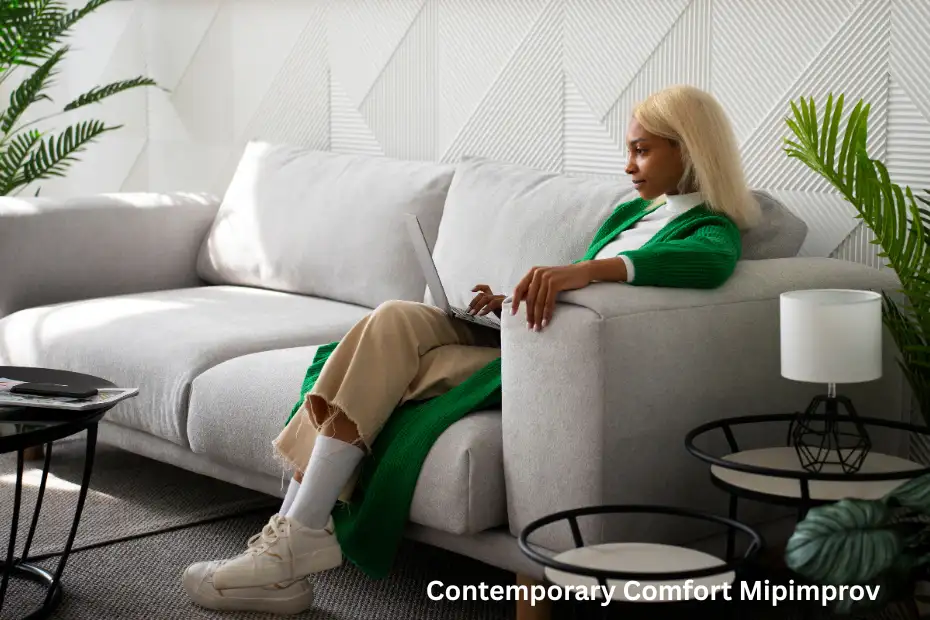

Take a look around any modern home and you’ll notice something interesting. Spaces aren’t designed the way they used to be. A room isn’t just a room anymore. The living room turns into an office during the day. The dining table becomes a workstation. Bedrooms double as relaxation zones and content-creation studios. Life has changed and interiors are trying to keep up. That’s exactly where Contemporary Comfort Mipimprov comes in. It’s not just a fancy design term. It’s a way of thinking about spaces that actually match how people live today. This approach mixes modern style with real comfort and smart improvements. Not for show. Not for trends. But for daily life.
Design Isn’t Just Visual Anymore
There was a time when interior design was mostly about appearance. Matching colors. Stylish furniture. Decorative lighting. That still matters, sure. But now there’s a bigger question How does the space make you feel after spending hours in it? A beautiful chair is useless if your back hurts after 30 minutes. A trendy office setup doesn’t help if the lighting gives you headaches. People are starting to notice this. Comfort isn’t optional anymore it’s the base requirement. That’s the core idea behind Contemporary Comfort Mipimprov.
What Does the Concept Really Mean?
Let’s break contemporary comfort mipimprov down in a simple way.
-
Contemporary → clean, modern, current look
-
Comfort → physical ease, mental calm, emotional warmth
-
Mipimprov (Modern Improvement) → smart changes that make spaces work better
Put together, it means creating interiors that look modern but also feel right to live in. Spaces that don’t just impress guests, they actually support your everyday routine.
Why This Matters So Much Today
Think about how much time people now spend indoors. Work from home. Online meetings. Streaming. Gaming. Studying. Resting. Your environment affects your mood more than you realize. A cluttered, badly lit room can make you feel tired for no clear reason. A well-designed space, on the other hand, can help you focus, relax, and even sleep better. That’s not luxury. That’s lifestyle support.
Comfort Is More Than Soft Furniture
A lot of people still think comfort just means a big sofa. Not quite.
Physical Comfort
Chairs that support posture. Desks at the right height. Lighting that doesn’t strain your eyes. These small details make a huge difference over time.
Visual Comfort
Too many bright colors or random décor can feel overwhelming. Balanced layouts and softer tones help your mind relax.
Emotional Comfort
This one’s personal. Photos, books, plants, favorite textures. These things make a space feel like yours, not like a showroom.
Contemporary Comfort Mipimprov looks at all three together.
Technology But Make It Subtle
Nobody wants to feel like they live inside a machine. Still, smart tech makes life easier. Good design hides the complexity. You just feel the benefit. Lights adjust depending on time of day. Temperature stays steady without constant adjusting. Charging ports are right where you need them. You don’t think about it. It just works. That’s the goal.
Rooms Need to Do More Now
One of the biggest changes in modern living is flexibility. Your space has to adapt. A guest room might be an office most days. A small apartment living room might serve three different purposes before dinner. So furniture and layout need to keep up. Foldable desks. Modular sofas. Storage that doesn’t take over the room. Sliding panels for privacy. It’s less about size and more about smart use of space.
Nature Makes a Huge Difference
Ever notice how calm you feel in a room with plants or natural light? That’s not random. Natural materials and greenery help reduce stress and improve focus. Wood textures, stone surfaces, big windows, indoor plants they all add life to a space. It doesn’t need to look like a forest. Just a touch of nature changes the vibe completely.
Minimal, But Not Cold
Old minimalism sometimes felt empty. Almost uncomfortable. Now the idea is different. Clean design, yes. But with warmth. Soft rugs. Warm lighting. Textured cushions. Neutral tones that feel calm instead of dull. The space stays simple, but it doesn’t feel lifeless.
Design Is Becoming More Human
This might be the biggest shift of all. Design used to focus on how things look in photos. Now it focuses on how they work in real life. Can you move around easily?
Does the layout make daily tasks smoother? Is cleaning simple? Can the space handle change? If the answer is yes, the design works.
Even Workspaces Are Changing
Offices are no longer just rows of desks and harsh lights. Modern workplaces add lounge areas, quiet corners, softer seating, and better acoustics. Why? Because people work better when they’re comfortable. Simple. The same thinking is now entering homes too.
Personal Touch Matters More Than Ever
People don’t want copy-paste interiors. They want spaces that reflect them. Favorite books on shelves. Art that means something. Lighting that fits personal routines. Custom storage based on real habits. That’s what turns a house into a personal environment instead of a staged room.
Lighting Changes Everything
Lighting can completely shift the mood of a space. Warm light in the evening helps you relax. Brighter white light helps you focus during the day. Layered lighting makes a room feel deeper and more inviting. It’s one of the simplest changes with the biggest impact.
Don’t Forget Sound
Noise affects mood more than we think. Hard surfaces make rooms echo. Soft materials like curtains, rugs, and upholstered furniture help absorb sound. A quieter room feels calmer instantly.
So What’s Next?
Interiors are only going to get smarter. Furniture might adjust automatically. Walls could become interactive. Climate systems might respond to personal comfort levels. But the direction will stay the same spaces designed around people, not just style.
FAQs (Frequently Asked Questions)
Q1: What is Contemporary Comfort Mipimprov?
It’s a modern interior design approach that blends style, comfort, and smart improvements to make everyday spaces more livable.
Q2: Is this just a design trend?
No, it focuses on long-term comfort and functionality rather than short-term visual trends.
Q3: Who is this design style suitable for?
It’s ideal for anyone who wants a home or workspace that feels comfortable, practical, and modern.
Q4: Does following this concept require a big budget?
Not at all, because smart layout, lighting, and furniture choices matter more than expensive items.
Q5: How is comfort defined in this design approach?
Comfort means supporting physical ease, mental calm, and emotional warmth in a space.
Final Thoughts
Contemporary Comfort Mipimprov isn’t just a design trend. It’s a response to how life works now. It blends modern looks with real comfort and practical improvements. The result? Spaces that don’t just look impressive they actually make daily life smoother, calmer, and more enjoyable. And honestly, that’s what good design should’ve been about all along.