
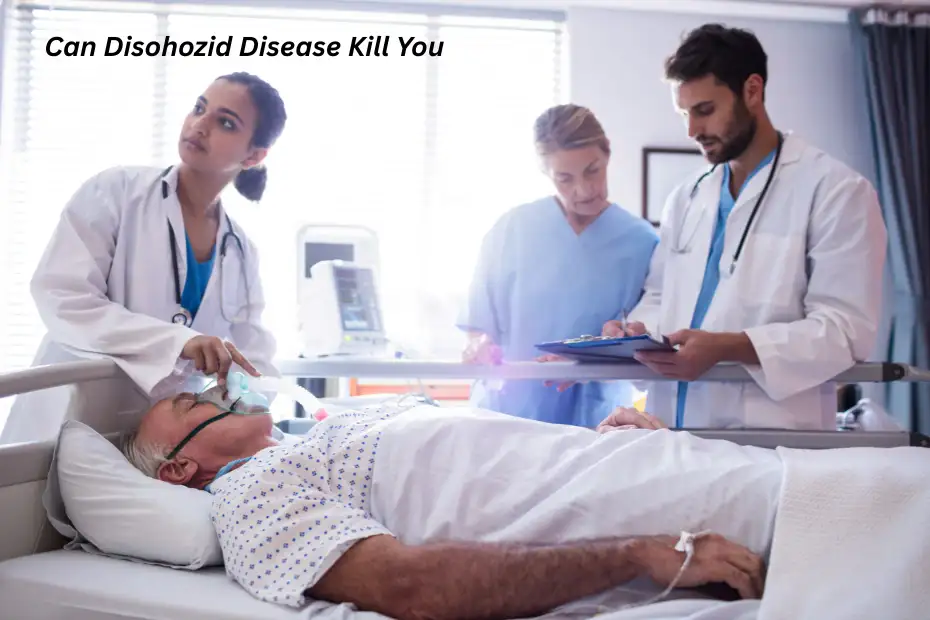

When people hear the name Disohozid disease for the first time, the reaction is usually confusion followed by worry. It sounds serious, and when information about a condition is limited, the fear becomes even bigger. Many people immediately start searching online with one question in mind Can Disohozid disease kill you? The truth is not as scary as it may seem. The condition can become serious in some situations, but most people recover when they get medical help on time. Like many health problems, the real danger usually comes from ignoring symptoms rather than the disease itself. Let’s talk about this in simple, real-life terms so you understand what actually matters.
Why This Condition Is Often Missed in the Beginning
One of the biggest challenges with Disohozid disease is how quietly it starts. There is usually no sudden pain or emergency in the early stage. Instead, the body sends small signals that are easy to ignore. A person may feel tired even after resting. Some people notice a mild fever that comes and goes. Others experience weakness, body aches, or a loss of appetite. Since these signs are common in everyday life, most people blame stress, workload, or lack of sleep. Weeks can pass without any improvement. During this time, the condition may slowly affect the body. This delay is what increases the risk later.
Can disohozid disease kill you?
Yes, in rare and untreated cases, Disohozid disease can become dangerous. But this usually happens only when medical care is delayed for a long time.
The risk increases when.
-
Symptoms are ignored for months
-
Treatment begins very late
-
Important organs become affected
-
The immune system is weak
-
Other chronic illnesses are already present
When the condition is diagnosed early, most patients respond well to treatment. Serious complications are not common in people who seek timely care. So the key message is simple early action makes a huge difference.
Early Symptoms That Should Not Be Ignored
Since the disease develops gradually, the early signs may not feel serious. Still, paying attention to these changes can prevent bigger problems.
Common early symptoms include.
-
Constant fatigue
-
Low-grade fever
-
Loss of appetite
-
Unexplained weight loss
-
Body aches
-
General weakness
If these issues continue for several weeks instead of improving, it’s better to consult a doctor rather than wait.
Signs the Condition May Be Getting Worse
As the disease progresses, symptoms become more noticeable. These may include.
-
Shortness of breath
-
Persistent cough
-
Chest discomfort
-
Swelling in the feet, hands, or face
-
Skin rashes or irritation
-
Digestive problems
-
Dizziness or faintness
These symptoms suggest the body is under stress and needs medical evaluation.
Who Faces a Higher Risk?
Not everyone experiences severe complications. Some people are more vulnerable than others.
Higher-risk groups include.
-
Older adults
-
People with weak immune systems
-
Patients with diabetes, heart disease, or kidney problems
-
Individuals with poor nutrition
-
Those living under long-term stress
-
People who avoid regular health checkups
For these individuals, early testing and regular monitoring are especially important.
How Doctors Diagnose Disohozid Disease
Because the symptoms are similar to those of many other illnesses, doctors usually rely on multiple tests. A proper diagnosis may involve.
-
Physical examination
-
Blood tests
-
Imaging scans such as X-ray or CT
-
Organ function tests
-
Review of medical history
These steps help doctors understand how the condition is affecting the body and rule out other possible causes.
Treatment Options and What to Expect
Treatment depends on the severity of the disease and the patient’s overall health. In many cases, recovery is straightforward.
Doctors may prescribe medications to.
-
Reduce inflammation
-
Treat infection if present
-
Support immune function
-
Relieve pain or discomfort
However, medication alone is not enough. Daily habits play a major role in recovery.
Patients are usually advised to.
-
Eat balanced and nutritious meals
-
Drink enough water
-
Get proper rest
-
Avoid smoking and alcohol
-
Manage stress levels
These simple steps help the body heal faster and respond better to treatment.
When Hospital Care Is Needed
If the condition is ignored for too long, complications may develop. These can affect breathing, circulation, or organ function.
Emergency medical attention is needed if someone experiences.
-
Severe breathing difficulty
-
Sharp chest pain
-
High fever that does not come down
-
Sudden weakness or collapse
-
Confusion or unusual behavior
In such cases, hospital care may include oxygen support, IV medication, and close monitoring.
Recovery and Long-Term Outlook
The good news is that most people recover well when the disease is diagnosed early. Many patients return to normal life without long-term problems. Recovery time varies from person to person. Some feel better within a few weeks, while others may need longer follow-up, especially if major organs were affected. Regular medical visits help make sure the condition stays under control.
Can Disohozid disease kill you? How to reduce the risk
Although Disohozid disease cannot always be prevented, certain lifestyle choices can lower the chances of severe illness.
Helpful habits include.
-
Eating healthy food
-
Staying physically active
-
Sleeping properly
-
Managing stress
-
Treating infections early
-
Getting regular health checkups
Ignoring ongoing symptoms is one of the biggest risk factors.
The Emotional Side of the Diagnosis
Being diagnosed with a rare condition can be stressful. Many people worry about the worst possible outcome, especially when information is limited. Staying informed and following medical advice helps reduce anxiety. Talking to family members or healthcare providers can also provide reassurance. Focusing on recovery instead of fear makes the journey easier.
Final Thoughts
Can disohozid disease kill you, and in rare situations, it may be life-threatening. But for most people, early diagnosis and proper treatment lead to a full recovery. The body usually gives warning signs. Paying attention to those signs and seeking medical advice on time can prevent serious complications. In simple terms, awareness and timely care are the best protection.